10 Foods To Eat For Better Sleep When Nothing Else Works
Many people with insomnia search desperately for relief. Surprisingly, what you eat (and when you eat it) can make a big difference in your sleep quality. Certain sleep-promoting foods contain natural hormones or nutrients that help your body wind down at night. In my experience as a nutritionist, adding these foods to your diet can calm the nervous system, stabilize overnight blood sugar, and even trigger gentle drowsiness.
1. Spinach And Leafy Greens
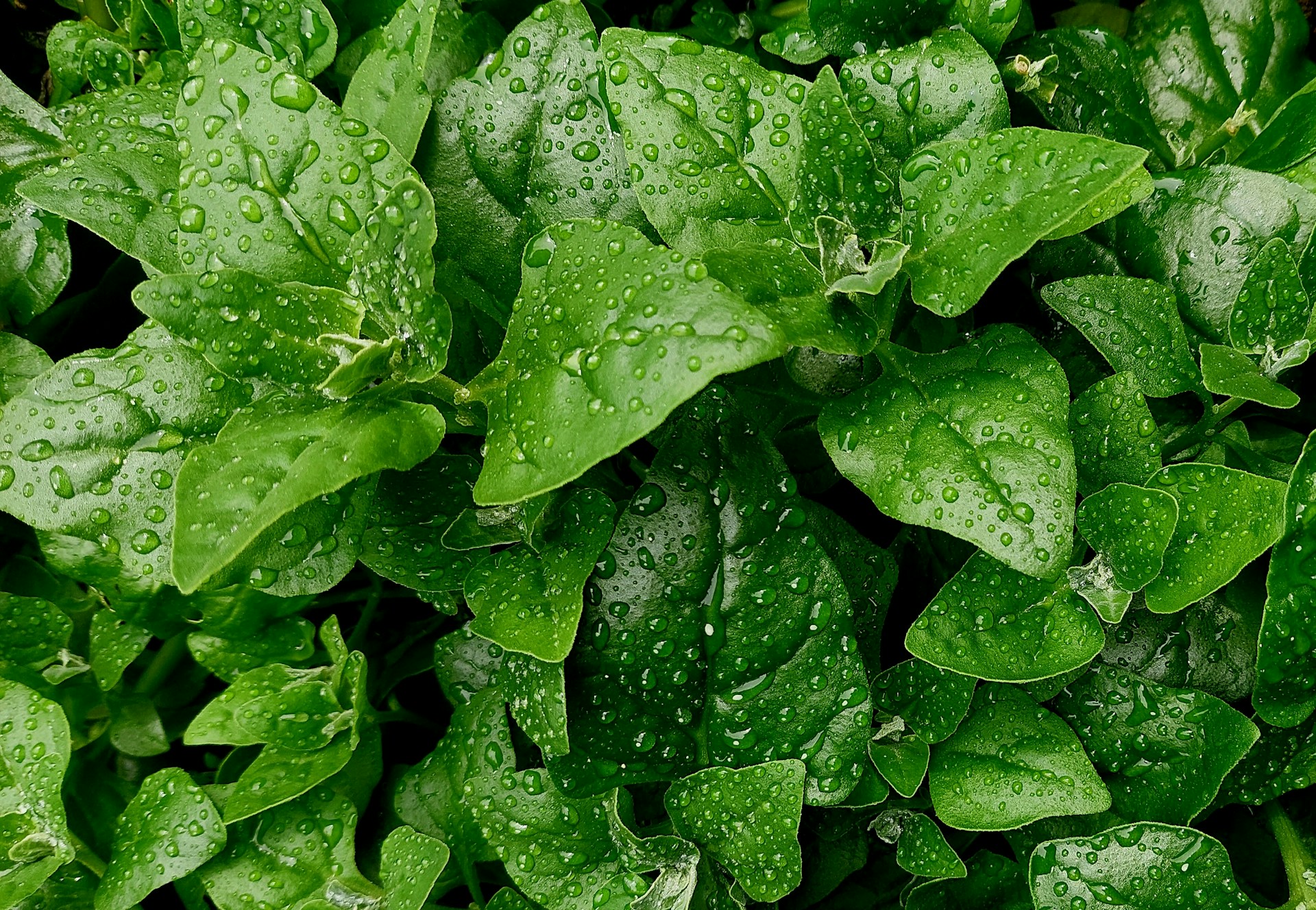
Leafy green vegetables like spinach, kale, or Swiss chard are high in magnesium, a mineral that helps relax muscles and quiet the nervous system. Magnesium supports production of gamma-aminobutyric acid(GABA), a neurotransmitter that calms brain activity, and is linked to deeper, more restful sleep. Try a magnesium-rich dinner salad or sautéed greens an hour or two before bed. Pair it with a lean protein to balance nutrients: this combo provides calcium (which works with magnesium) and tryptophan from protein, both of which support the sleep cycle.
2. Almonds, Walnuts, And Other Nuts
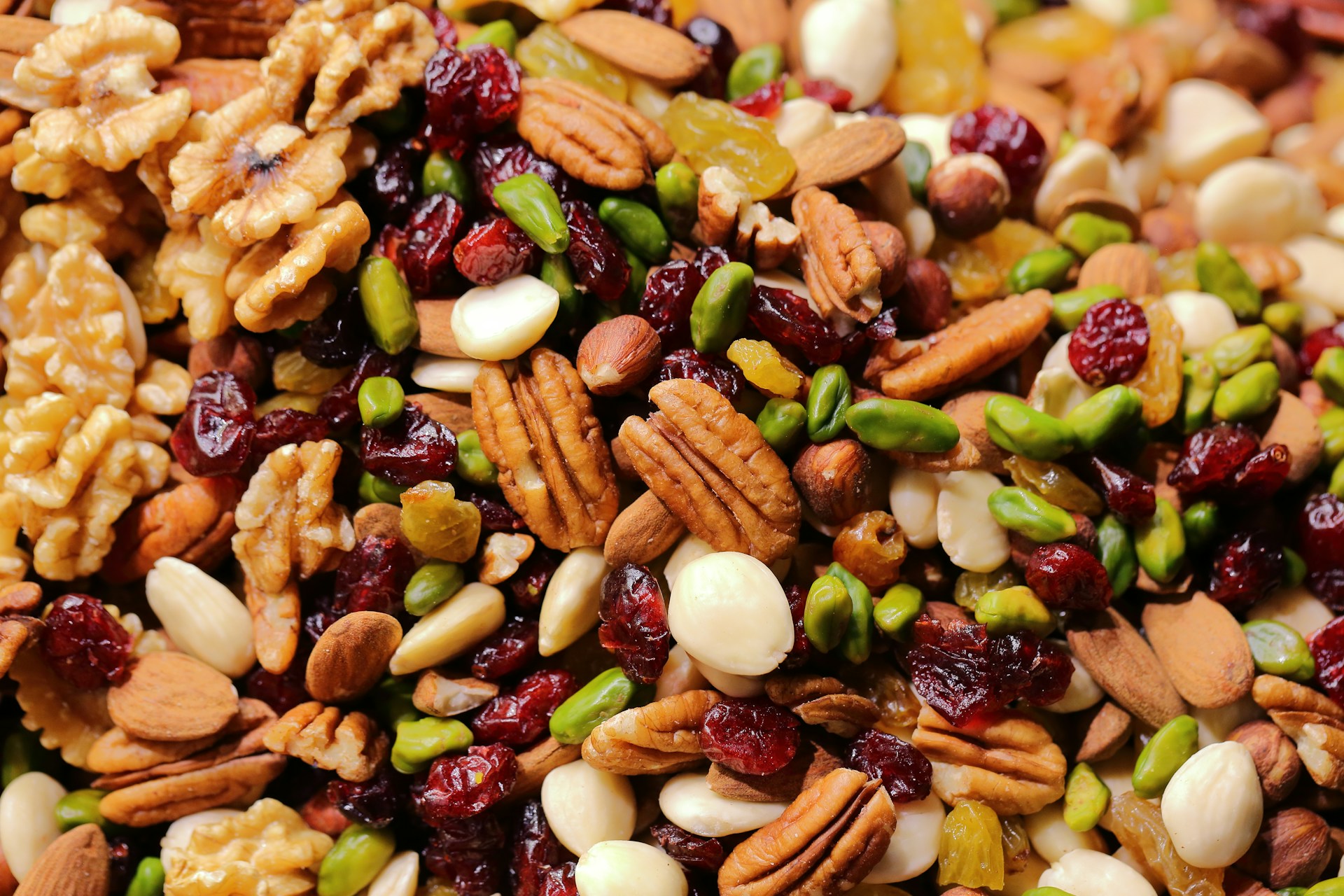
A handful of nuts can double as a sleep aid. Almonds, walnuts, pistachios, and pumpkin seeds all contain magnesium and healthy fats, plus some naturally occurring melatonin or tryptophan. For instance, pistachios are notably rich in melatonin, and several studies suggest eating them may raise melatonin levels and help you fall asleep faster.
Almonds and walnuts provide both magnesium and tryptophan, while tryptophan is a precursor to sleep-ready serotonin and melatonin. In practice, I often tell clients to snack on a small handful of mixed nuts before bed (or add them to evening yogurt) because the combination of fiber, protein, and these minerals keeps blood sugar steady overnight and promotes relaxation.
3. Tart Cherries
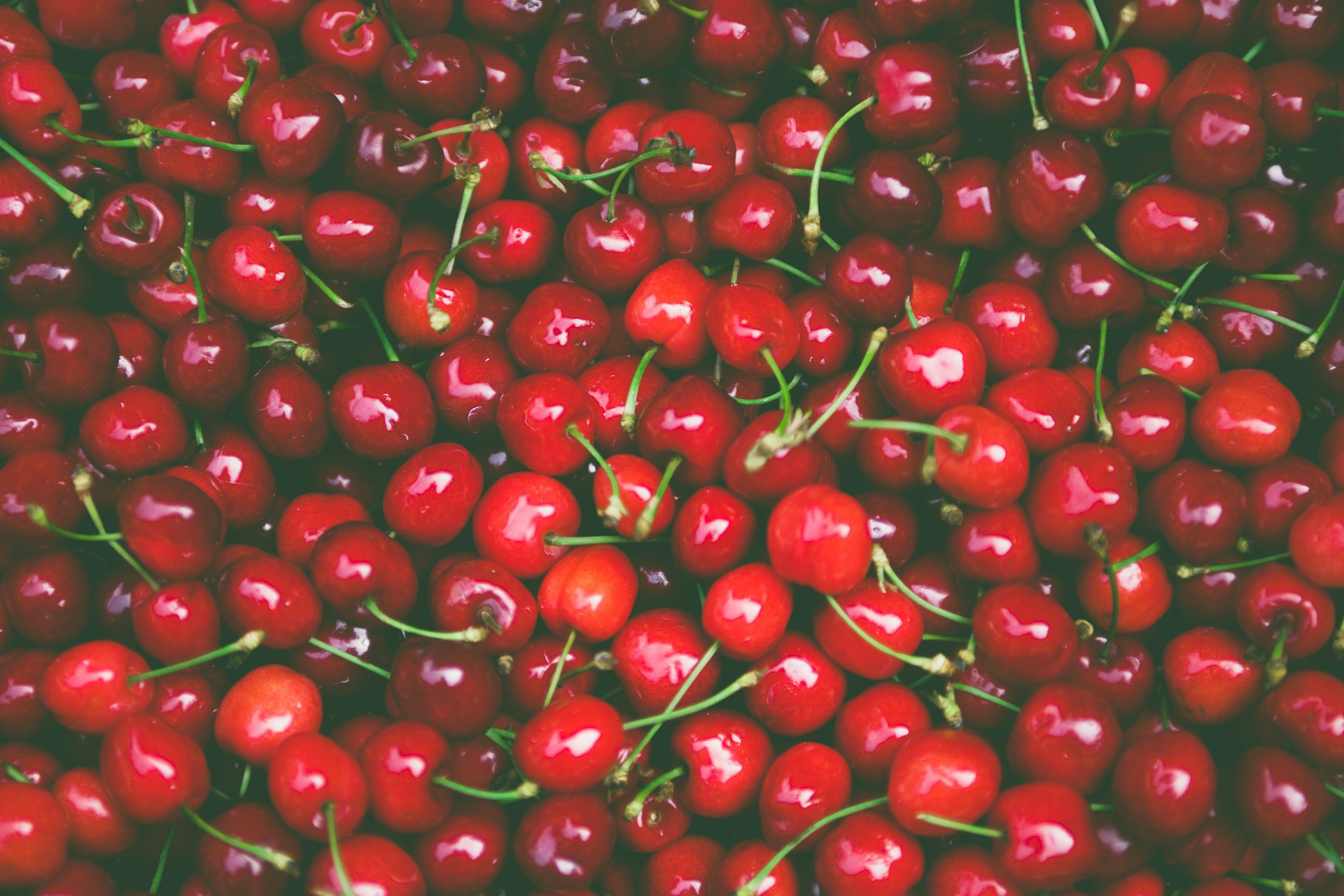
Tart cherries (especially Montmorency cherries) and tart cherry juice are among the most potent natural sources of melatonin. Multiple studies show that drinking tart cherry juice before bed can significantly boost melatonin levels and extend total sleep time in people with insomnia.
Tart cherries also contain antioxidants (anthocyanins) that reduce inflammation and may help calm the body for sleep. I recommend choosing unsweetened tart cherry juice or a small bowl of the fresh or frozen fruit in the evening. Just watch the sugar: excess juice can spike blood sugar, so limit portion size and enjoy it at least 1-2 hours before bed to avoid nighttime awakenings.
4. Kiwifruit
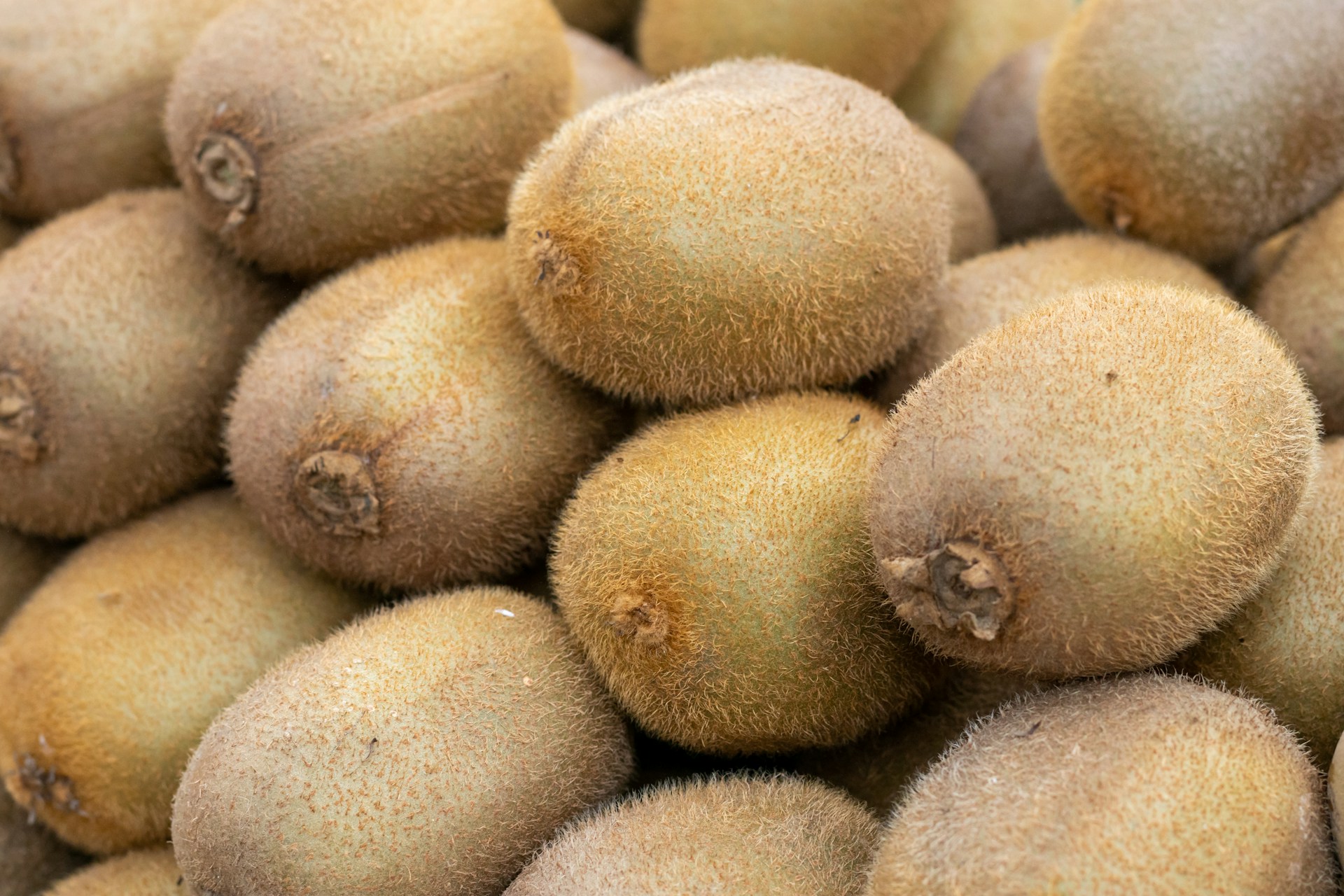
Bright green kiwi fruits punch above their weight for sleep support. They contain serotonin and antioxidants, which together can shorten the time it takes to fall asleep and improve sleep duration and efficiency. The fiber in kiwis also aids digestion, preventing late-night discomfort.
Try having a kiwi with your evening snack or dessert. Kiwis have vitamin C and folate, which may further reduce sleep-disrupting oxidative stress. Just be mindful of the vitamin C, you don’t want a trip to the bathroom in the night.
5. Lean Proteins (Turkey, Chicken, Fish)

Lean protein foods help your brain make sleep-promoting hormones. Turkey, chicken, fish, and eggs all contain the amino acid tryptophan, which the body converts into serotonin and then melatonin. Turkey is famous for this: despite myth, it’s not mega-sleep-inducing by itself, but it does supply plenty of tryptophan when eaten as part of a balanced meal.
In fact, diets higher in protein and certain B vitamins (found in poultry and fish) have been linked to fewer insomnia symptoms. Try a modest portion (3-4 oz) of turkey or grilled chicken at dinner, alongside complex carbs.
The carbs help insulin move other amino acids into muscles, allowing tryptophan to enter the brain more easily at night. Salmon and tuna also fit here: rich in vitamin D and omega-3 fats, they further boost serotonin production. Avoid eating very heavy protein meals within 3-4 hours of bedtime, as digestion can disrupt sleep. These protein-rich options are excellent foods for insomnia and anxiety, especially when paired with calming carbs.
Related: Techniques For Deep And Restful Sleep
6. Dairy (Milk, Cheese, Yogurt)
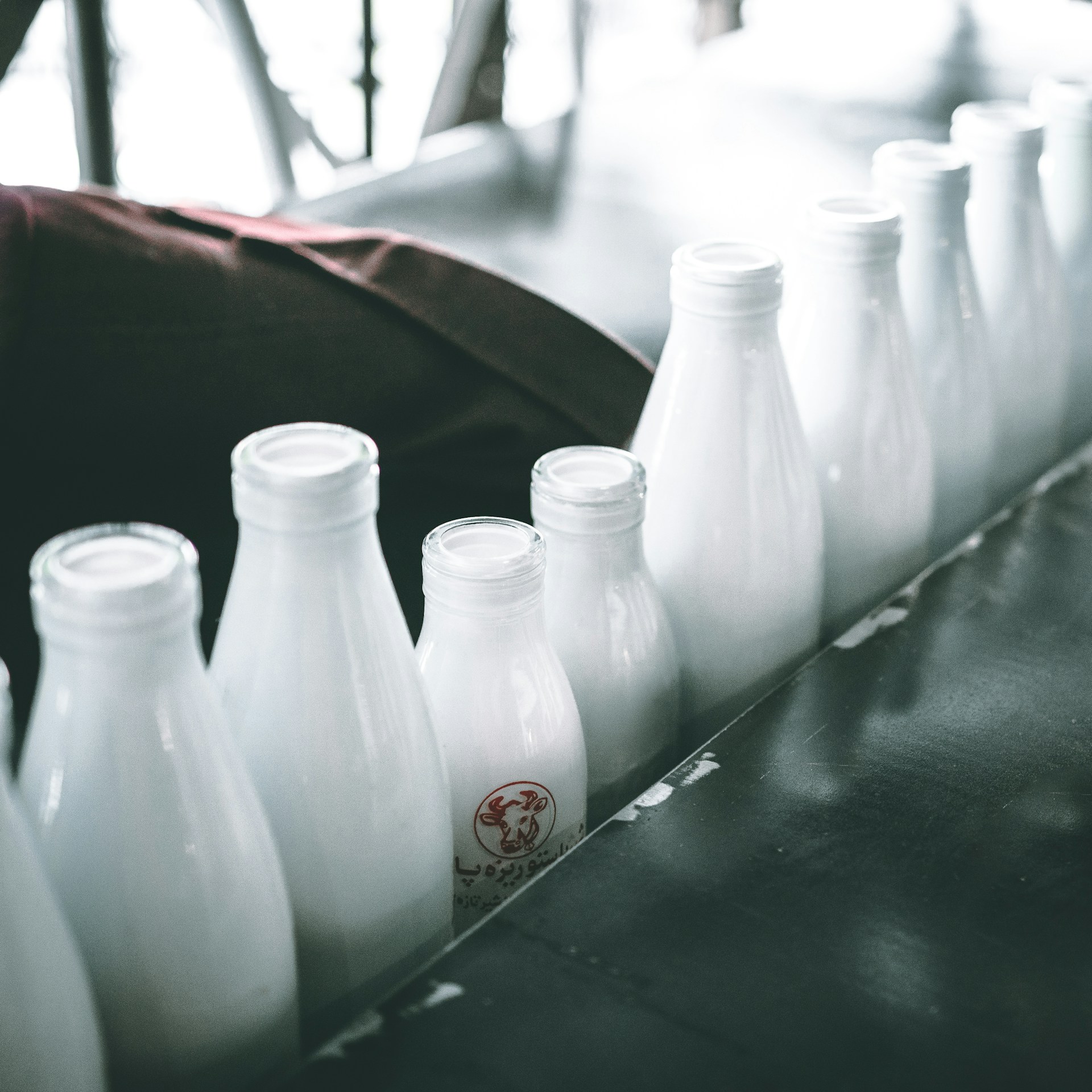
A glass of warm milk or a small serving of dairy can be a classic bedtime remedy. Dairy products contain tryptophan, plus calcium and vitamin B6, which help convert that tryptophan into melatonin. Milk is a nutrient-packed way to set the stage for a restful night’s sleep, containing tryptophan, magnesium, and calcium.
A small plate of cheese or yogurt with whole-grain crackers makes a smart night snack: it adds protein, calcium, and B vitamins into the mix. If lactose is an issue, try lactose-free milk or a small yogurt; the pro-cholinergic activity may still help relaxation.
7. Whole Grains And Oatmeal
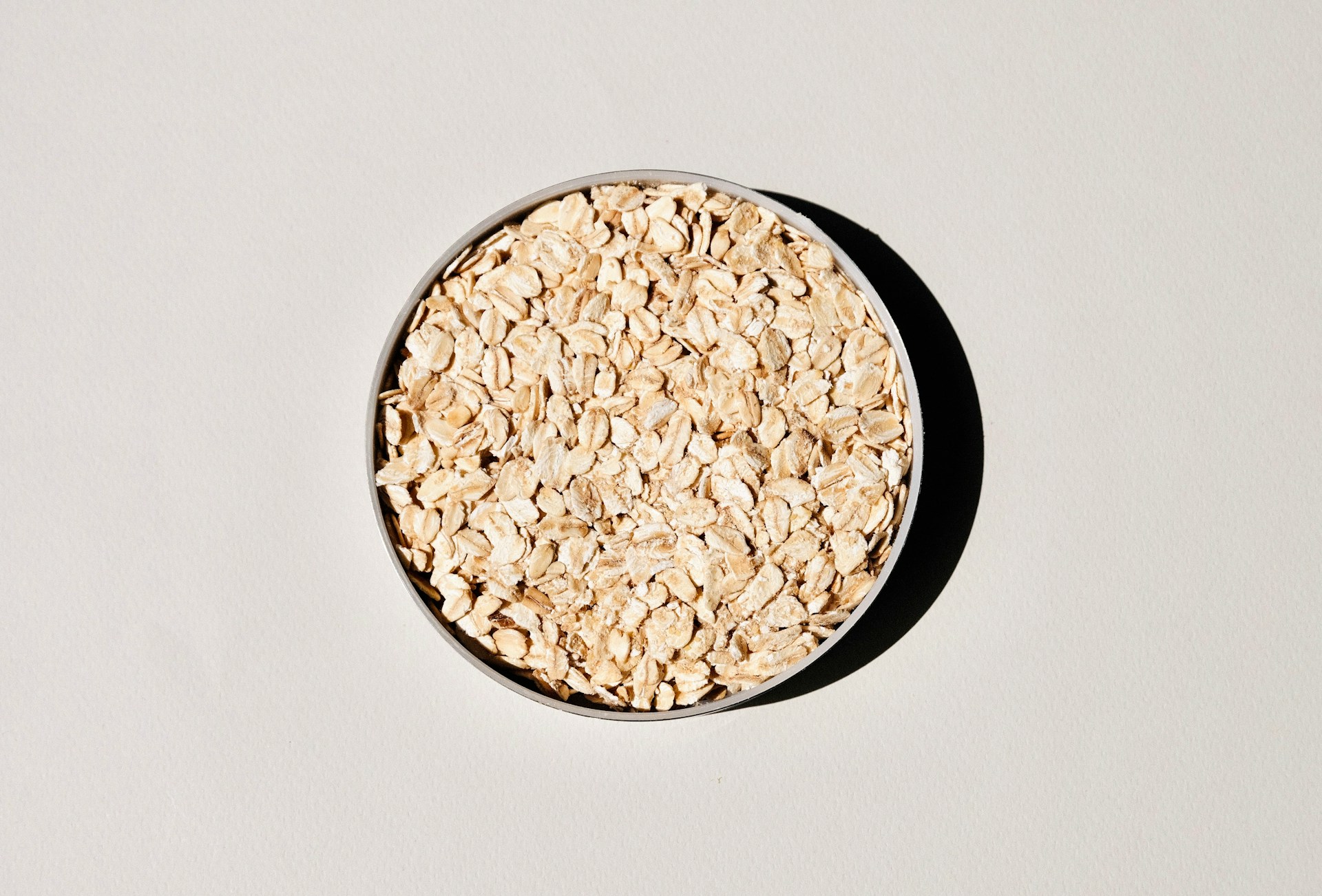
Complex, high-fiber carbohydrates can quietly ease you into sleep by boosting serotonin. Foods like oatmeal, brown rice, whole-grain bread, or pasta raise blood sugar slowly and help more tryptophan cross into the brain. Oats are especially notable: they contain both fiber and some melatonin, and they promote production of GABA, a calming neurotransmitter.
A bowl of oatmeal (perhaps topped with a few walnuts or banana slices) before bed can be very soothing. Or pair brown rice or quinoa with your evening protein. Just keep portions moderate so you digest it before sleeping.
8. Salmon And Other Fatty Fish
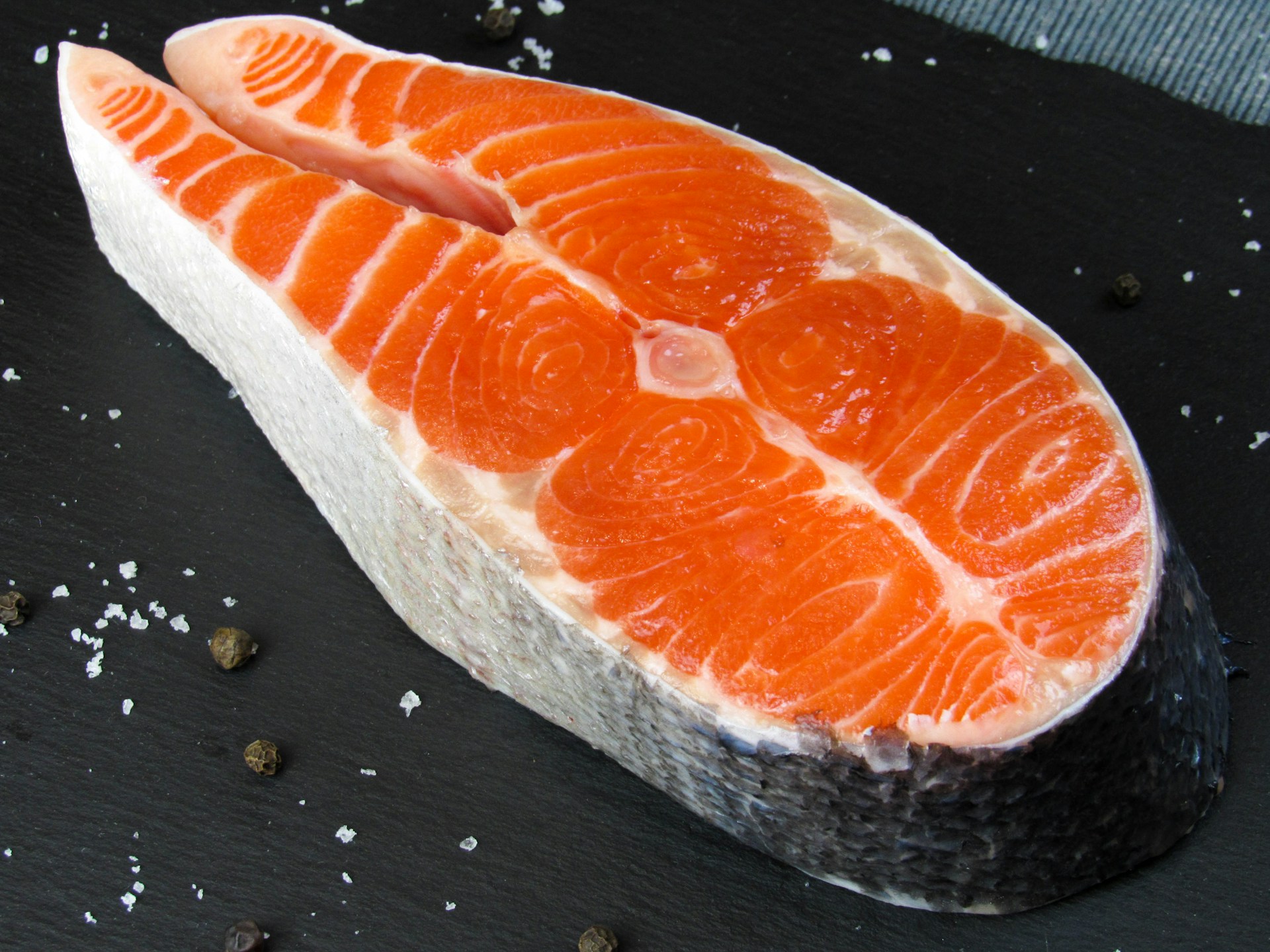
Cold-water fatty fish like salmon, mackerel, or sardines provide key nutrients for sleep regulation. They are high in omega-3 fatty acids (especially DHA) and vitamin D, both of which help regulate serotonin and possibly melatonin. The Mediterranean dietinsight reminds us: fish is rich in sleep-supportive nutrients and fits into a pattern of eating that correlates with deeper, more restorative sleep.
Try to include at least two servings of fatty fish weekly (lunch or dinner). Even a small salad with tuna or a few slices of smoked salmon on whole-grain bread can help boost your D and omega-3 levels by nighttime.
9. Chamomile (Herbal Tea)

Herbal chamomile tea is a time-honored sleep aid, and the science backs it up. Chamomile contains apigenin, an antioxidant that binds to brain receptors and promotes relaxation. Clinical trials have shown chamomile supplements can modestly improve sleep quality in the elderly and reduce anxiety before bed.
I often recommend sipping one to two cups of caffeine-free chamomile tea an hour before sleep as part of a calming ritual. Many people also find herbal blends with valerian or lavender helpful, but chamomile on its own is mild and well-tolerated. Warm herbal tea relaxes your body and signals your mind that bedtime is coming; a gentle and natural bedtime snack to help you sleep, especially when paired with a light protein.
10. Bananas

Bananas might be best known for potassium, but they also pack tryptophan and magnesium. Both bananas and milk are tryptophan-rich, helping to raise brain serotonin and melatonin. Plus bananas’ carbohydrates naturally trigger insulin release, which favors tryptophan reaching the brain.
Try having a banana (perhaps with a spoonful of nut butter) 30-60 minutes before bed. The gentle sweetness can also stave off blood-sugar dips that might otherwise wake you in the night. A perfect example of what to eat when you can't sleep at night, especially for people who wake frequently.
Foods And Habits To Avoid Before Bed
To maximize these sleep benefits, steer clear of known sleep-wreckers in the evening. Caffeine (in coffee, tea, cola, or chocolate) can linger in your system 6-8 hours after consumption, suppressing melatonin. Try to take your last caffeinated drink by early afternoon. Likewise, alcohol may help you fall asleep initially but fragments sleep later, reducing REM and deep sleep.
Avoid heavy, fatty, or very spicy meals within 2-3 hours of bedtime; these can cause heartburn or indigestion that keeps you up. And limit simple sugars or sugary snacks late at night; high sugar can spike energy and then crash, disrupting your sleep cycle. Even mentally stimulating activities like solving difficult puzzle gamescan keep your brain too active to wind down.
Frequently Asked Questions
How Quickly Can Sleep Improve From Changing Your Diet?
Some changes, like avoiding heavy meals late at night, can help you sleep better almost right away. But the full benefits from eating better usually take a few weeks or even months. It’s important to stick with the changes so your body can adjust.
Are Sleep Supplements Like Melatonin Or Magnesium Helpful?
They can help some people, especially older adults with trouble sleeping. But it’s usually better to get these nutrients from food. If you’re thinking about taking supplements, talk to a doctor first; they can sometimes cause side effects or react with other medicines.
Is It Better To Eat A Snack Or A Small Meal Before Bed?
A light snack is better than a full meal. You want to give your body some helpful nutrients without making it work too hard to digest food. Try to finish eating 1 to 3 hours before going to bed.
What If I Feel Hungry Right Before Bed?
If you’re really hungry, it’s okay to have a small, sleep-friendly snack like a banana, a few almonds, or some warm milk. It’s better than trying to sleep while hungry. But if this happens often, check if you’re eating enough during the day.
Conclusion
Getting good, restful sleep doesn’t mean you have to follow a strict diet. It’s more about making smart, steady choices that support your body and its natural routine. By eating foods that help you sleep, watching when you eat, and staying away from things that disturb sleep, you can start to sleep better and feel healthier overall.
What you eat can make a big difference in how well you sleep. Try adding some of these proven tips to your routine; you may be surprised how much better you feel, both at night and during the day.
Also read: Enhancing Sleep With Subliminal Piano Music